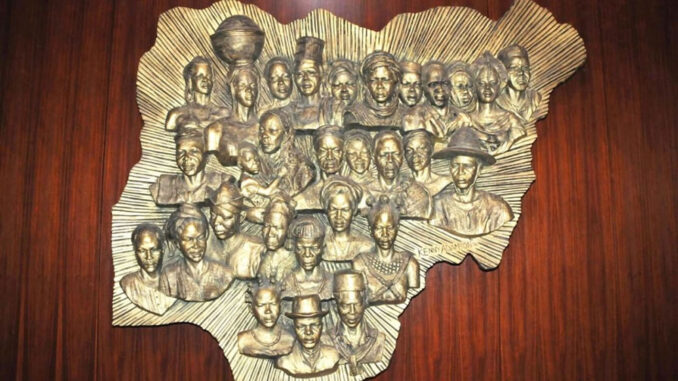
 Power does not always announce itself loudly. Sometimes, it moves quietly through polished hallways, behind closed doors, in rooms where decisions are made with a few words and lasting consequences.
People at the corridors of power are not just the faces we see on television or the names printed in headlines. They are a network of individuals who shape policies, influence outcomes, and ultimately determine the direction of society.
At the forefront are political leaders such as presidents, governors, and ministers who are elected to represent the people. Their roles place them in positions where every decision carries weight and consequences.
Beyond these public figures are advisers, technocrats, and aides whose voices, though rarely heard by the public, play a strong role in decision making. These individuals draft policies, interpret data, and often guide the thinking of those in authority.
Power does not exist in isolation. It is influenced by business leaders, lobbyists, and international organisations such as the International Monetary Fund and the World Bank.
Their recommendations and financial support can shape national policies, especially in developing countries where economic stability may depend on external assistance.
In such cases, the corridors of power extend beyond national borders and take on a global dimension.
There is also a quieter and often overlooked group, the civil servants. These are the permanent staff within government institutions who remain long after political tenures end. They ensure continuity, implement policies, and preserve institutional memory.
While political leaders may come and go, civil servants keep the system functioning. Their influence lies not in visibility but in consistency and experience.
With power come responsibility and scrutiny. The decisions made in these corridors affect millions of lives, from the price of food to the quality of education and healthcare.
When those in power act in the interest of the public, societies move forward. When they do not, the consequences can include corruption, inequality, and a loss of public trust.
In countries like Nigeria, conversations about power are becoming more important. Citizens are more aware, more vocal, and more engaged. Social media, activism, and civic awareness are gradually opening up these spaces, allowing ordinary people to question decisions, demand accountability, and take part in governance.
Ultimately, people at the corridors of power are not distant figures removed from everyday life. They are individuals whose choices affect daily living. Understanding who they are and how they operate is an important step towards accountability.
While power may sit in corridors, its effects are felt everywhere, in homes, in markets, and in the lives of ordinary people.
In a functioning society, power is not just something to observe. It is something the people can influence, question, and reshape over time.

Leave a Reply